

Fishing Fleet Energy Resilience Fellowship
Grassroots leadership for energy efficiency, innovation, and relief for the New England fishing fleet
Meet the fellows
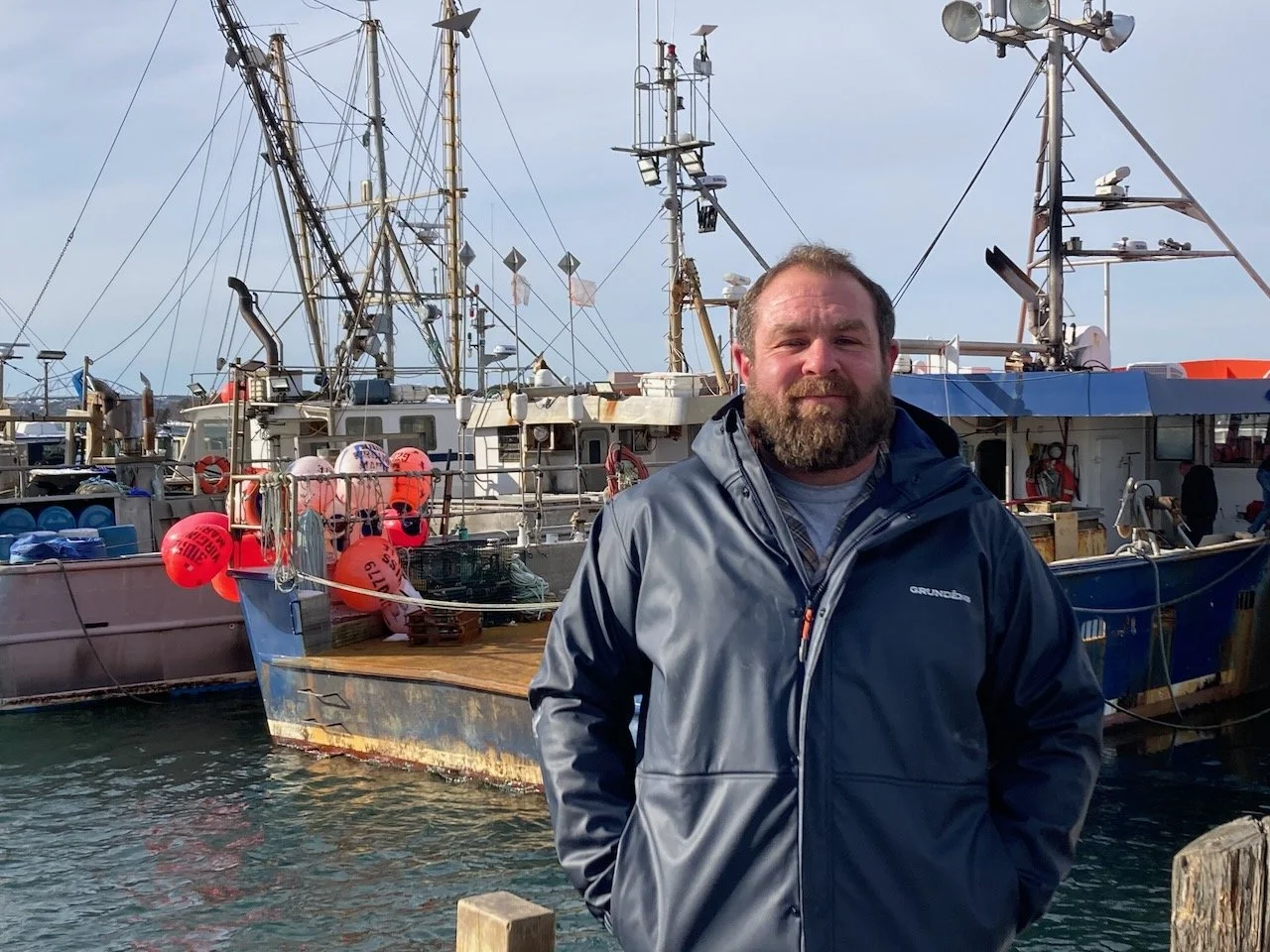
Dean Karoblis
Dean Karoblis 2nd generation commercial lobster fisherman based out of Sandwich, MA. He owns and operates a 35’ day boat. He is a Massachusetts Lobstermen’s Association delegate and on the board of directors of Sandwich’s East Boat Basin Commercial Fishermen’s Association. He prides himself on being on the progressive side of all marine affairs local, state, and federal.
Sandwich, Massachusetts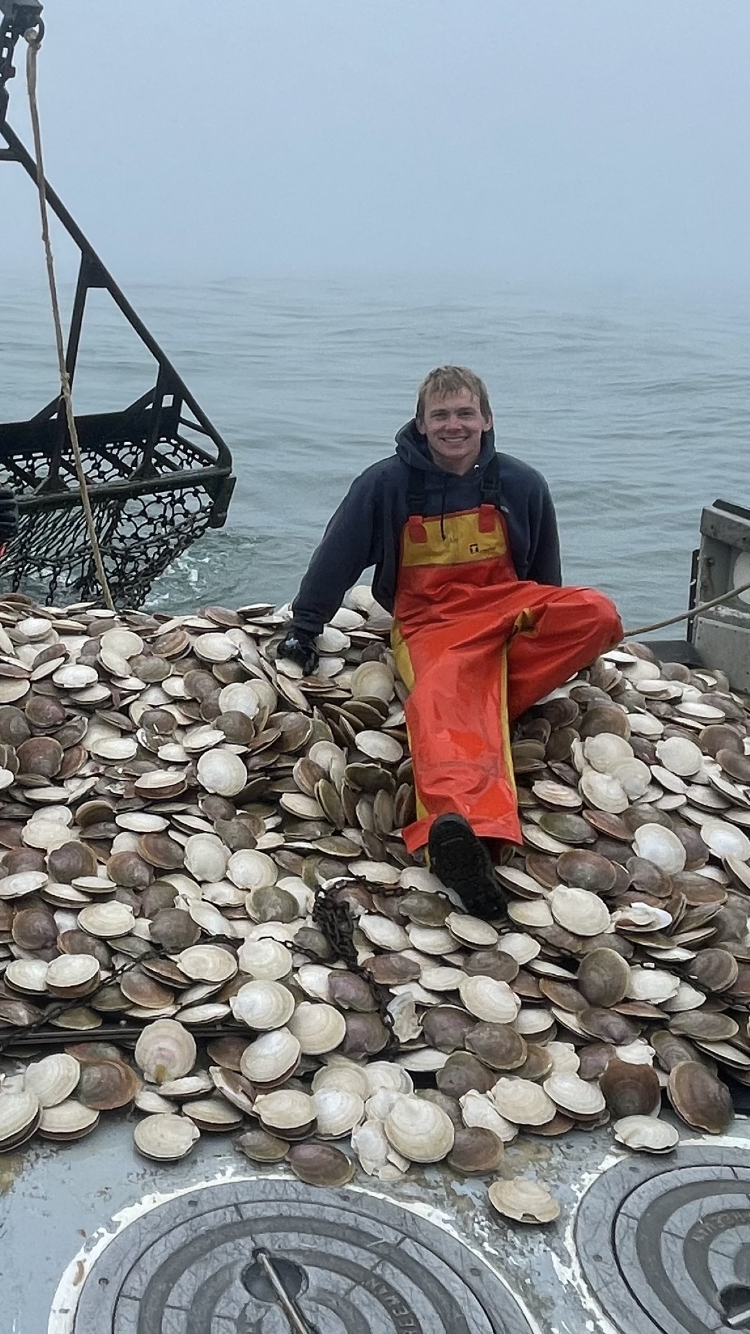
Tim Krusell
Tim Krusell is a lobsterman and scalloper based out of Green Harbor, MA. He has worked in a wide variety of trap and hook and line fisheries in MA. He has collaborated on fisheries research projects with a few local organizations, including some focused on Mola Mola, lobster abundance, and sea scallops. He graduated from the Marine Affairs program at the University of Rhode Island in 2012. He owns and operates a 35' lobster boat.
Green Harbor, Massachusetts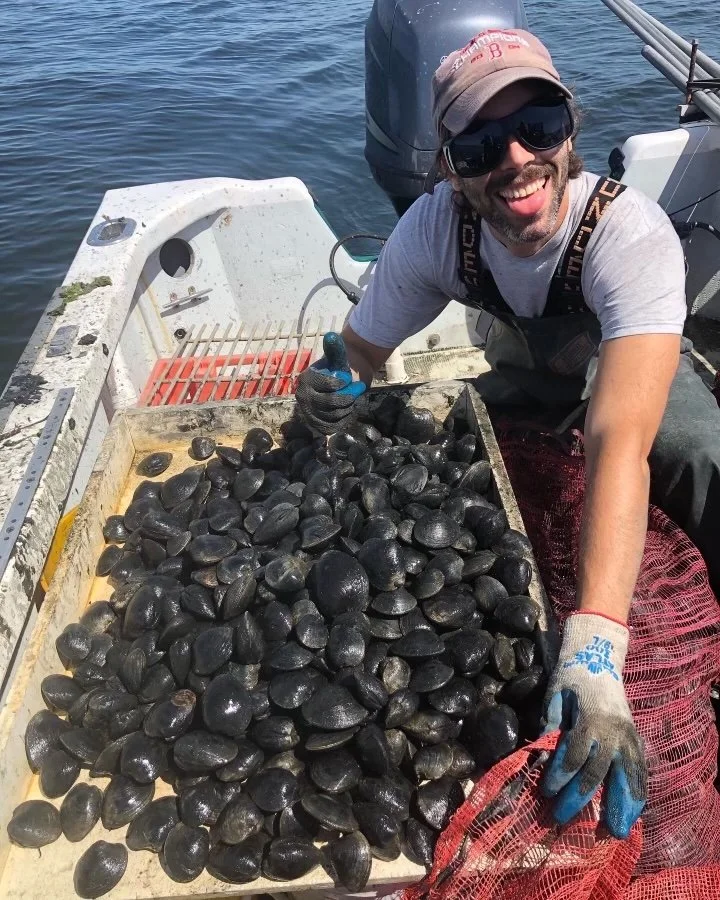
Tim Rovinelli is a quahogger who bullrakes in Narragansett Bay and has a background in environmental science. Previously, he crewed on an oyster farm and set-netted salmon, as well as worked for US Fish and Wildlife, the National Park Service, and the RI Division of Marine Fisheries on various fishery projects. He graduated with a B.A. in Environmental studies from Brown University in 2013. He also holds the state record for Atlantic mackerel in RI with a whopping 1-lb fish.
Narragansett Bay, Rhode IslandTim Rovinelli
About the Fellowship
The Fishery Friendly Climate Action Campaign and its partners are offering a set of state-specific fellowship opportunities to emerging leaders in the New England commercial fishing industry.
These fellowships aim to develop fellows' capacities in community-based peer leadership and fishing vessel energy innovation and policy. Fellows are taking the knowledge already compiled through the Fishery Friendly Climate Action Campaign’s Transition to a Low Carbon Fishing Fleet project and turning it into forward movement by producing action agendas for advancing fishing community-led visions of a more energy-resilient fishing fleet within their states and fleets.
Additional fellowship opportunities
The Fishery Friendly Climate Action Campaign has 2026 openings for fishing fleet energy resilience fellows in Maine and Massachusetts.
Fellowship Commitments
Fellows will work both independently and collaboratively to turn knowledge and relationships into action and power, while developing their skills as community leaders. Each fellow will:
Master the issues by deepening their knowledge of technological and policy pathways to an energy resilient fishing fleet.
Deepen their practice of community-based leadership, including storytelling, relationship-building, strategy design, and moving people to action.
Organize with their peers in their local fishing industry to produce a state-level, fleet-level, or port-level action agenda outlining strategies for innovation, investment, and policy change to support a locally led transition to an energy resilient fishing fleet.
The total anticipated time commitment for each fellow is 100 hours. Each fellow will work with the coordinator at the outset of the program to develop a personalized timetable that accommodates the fellow’s fishing commitments.
Compensation
Each fellow will receive a $4,000 stipend. Fellows will also have access to a small reimbursement-based bank of funds to support travel, meeting expenses, and other approved expenses associated with their action agenda project.
Eligibility
This fellowship targets early to mid-career fishermen in the New England fishing community who are serious about supporting fishermen-led action towards a more energy-resilient fishing fleet and eager to collaborate with their peers across the region. Fellows should be motivated to help their community achieve shared purpose and momentum, and should seek to actively develop skills, knowledge, and relationships to grow their community leadership.
Ideal candidates will:
Be genuinely interested in advancing an energy resilient fishing fleet.
View the fellowship as an investment in their capacity as a grassroots fishing community leader.
Demonstrate open-mindedness and respect for others, and have a keen desire to learn and support the learning of others.
Host Organizations
Fellows are encouraged to affiliate with a membership-based fishermen’s association within their state for the duration of the fellowship.
The ideal host organization will lend support to the fellow’s state-level or fleet-level action agenda project by orienting the fellow to the state’s policy landscape, providing guidance on workshop planning and participant recruitment, and sharing feedback on drafts of the action agenda. The ideal host organization will see value in this work for its members and will commit to co-publishing the action agenda with the fellow (while also respecting the fellow’s leadership in this effort) and helping the action agenda gain traction with policy makers.
Organizations interested in hosting a fellow are encouraged to reach out to the fellowship coordinator and are asked to circulate the fellowship opportunity among their members. In some states, a host organization has already been selected.
How to apply
To apply, send a cover letter and resume to Sarah Schumann, Director of the Fishery Friendly Climate Action Campaign, at fisheryfriendlyclimateaction@gmail.com. In your letter, please describe your history and involvement in fisheries, and then answer the following questions:
Why do you wish to participate in this fellowship? (200 words)
How do you intend to make the most of this learning opportunity and support the learning of your peers in the fellowship program? (100 words)
Why is it important to you to ensure that fishing vessel energy innovation and policy making are fishermen-led? (100 words)
How will you ensure broad participation and input from across your local fishing community when developing your state-level or fleet-level action agenda project? (100 words)
How will you use what you learn in this fellowship to grow your leadership in the fishing community after the conclusion of the fellowship? (100 words)
Do you have a host organization in mind? Have you discussed this collaboration with that organization? If so, please provide a contact person at that organization.
Please describe your seasonal and daily fishing cycles and how they may impact your availability to attend virtual meetings and work on your fellowship project during the February to December timeline. This will not factor into the selection process but will help us design a custom timetable of participation that works for you.
Questions?
Please read our Frequently Asked Questions or contact fellowship coordinator Sarah Schumann.