Marine Carbon Dioxide Removal
Defining key principles for “fishery sensitive” mCDR
Overview
The Goal
To prepare members of the commercial fishing community to shape the emerging field of marine carbon dioxide removal (mCDR).
The Need
Some climate problem-solvers are investigating the potential to put the ocean’s carbon cycles into overdrive to remove and store large amounts of carbon dioxide emissions from the atmosphere. Ocean-dependent communities, like those involved in commercial fishing, have an important role to play in defining key principles to govern this experimental climate solution, ensuring that future implementation—if it happens at all—takes full account of the need to sustain coastal food security and heritage. Now is the time for fishermen to get involved.
How Fishermen Are Mobilizing for Action
Around the coasts, fishermen are informing themselves about mCDR and making their voices heard. Keep reading to find out how. Are you a fisherman who wants to get involved? Sign up for our community list-serve or contact the Campaign director.

What is mCDR?
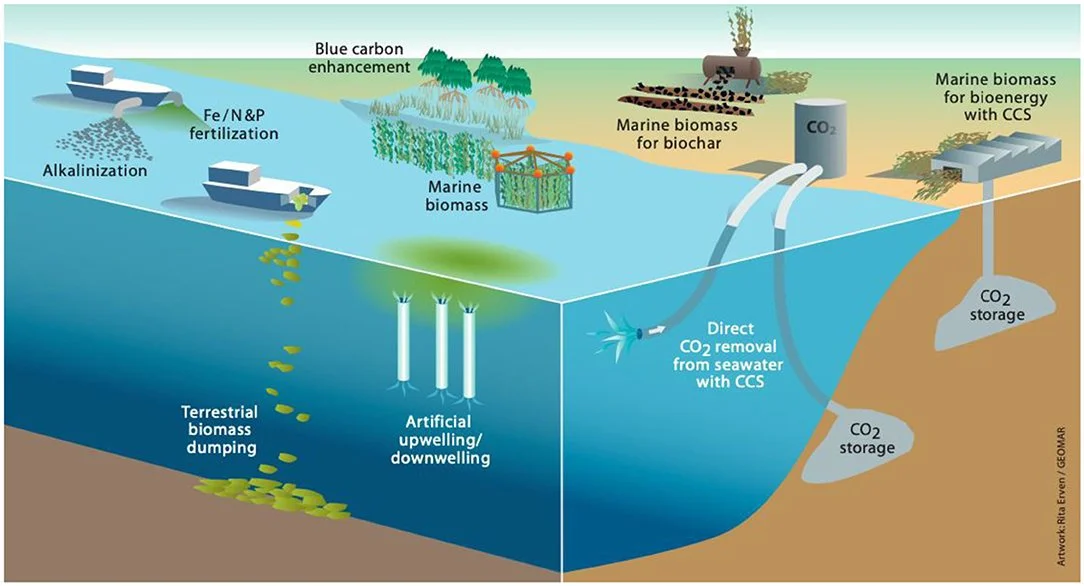
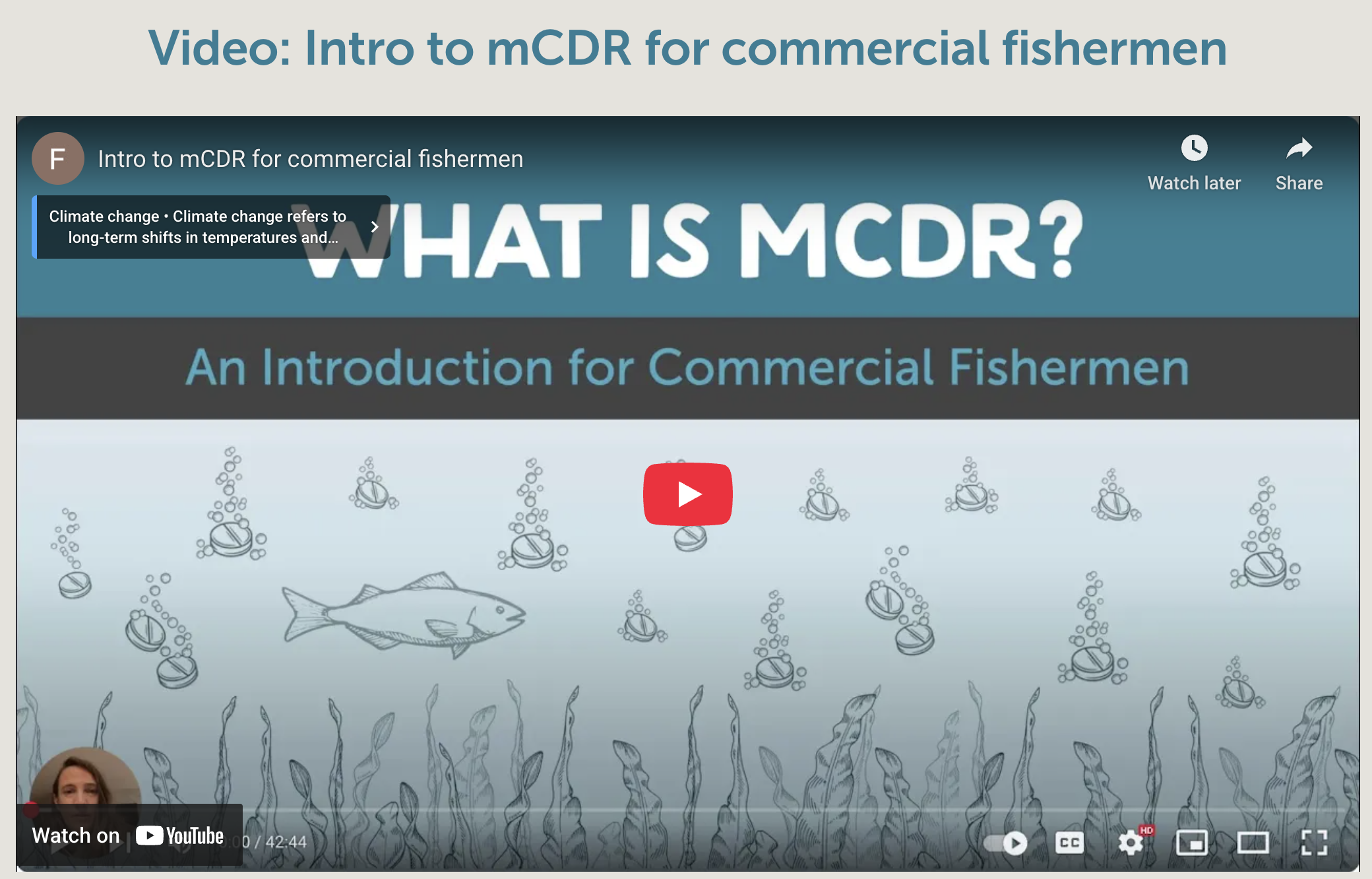
Marine carbon dioxide removal (mCDR) is a new and experimental set of strategies that could, in the future, play a role in drawing down excess carbon dioxide from the atmosphere and stabilizing the Earth’s climate, through methods that leverage the ocean’s biological and abiotic carbon cycles. Many questions remain with regard to these methods’ technological readiness, carbon removal abilities, and ecological and social impacts. Our mCDR Resources Page presents tools to build the fishing community’s essential literacy in the science and governance of mCDR, helping to ensure that we have a prominent role in guiding this field as it matures.
In the future, the Fishery Friendly Climate Action Campaign will launch a formal training course for fishermen and fisheries association staff interested in deepening their knowledge about mCDR.
Defining “fishery sensitive” mCDR
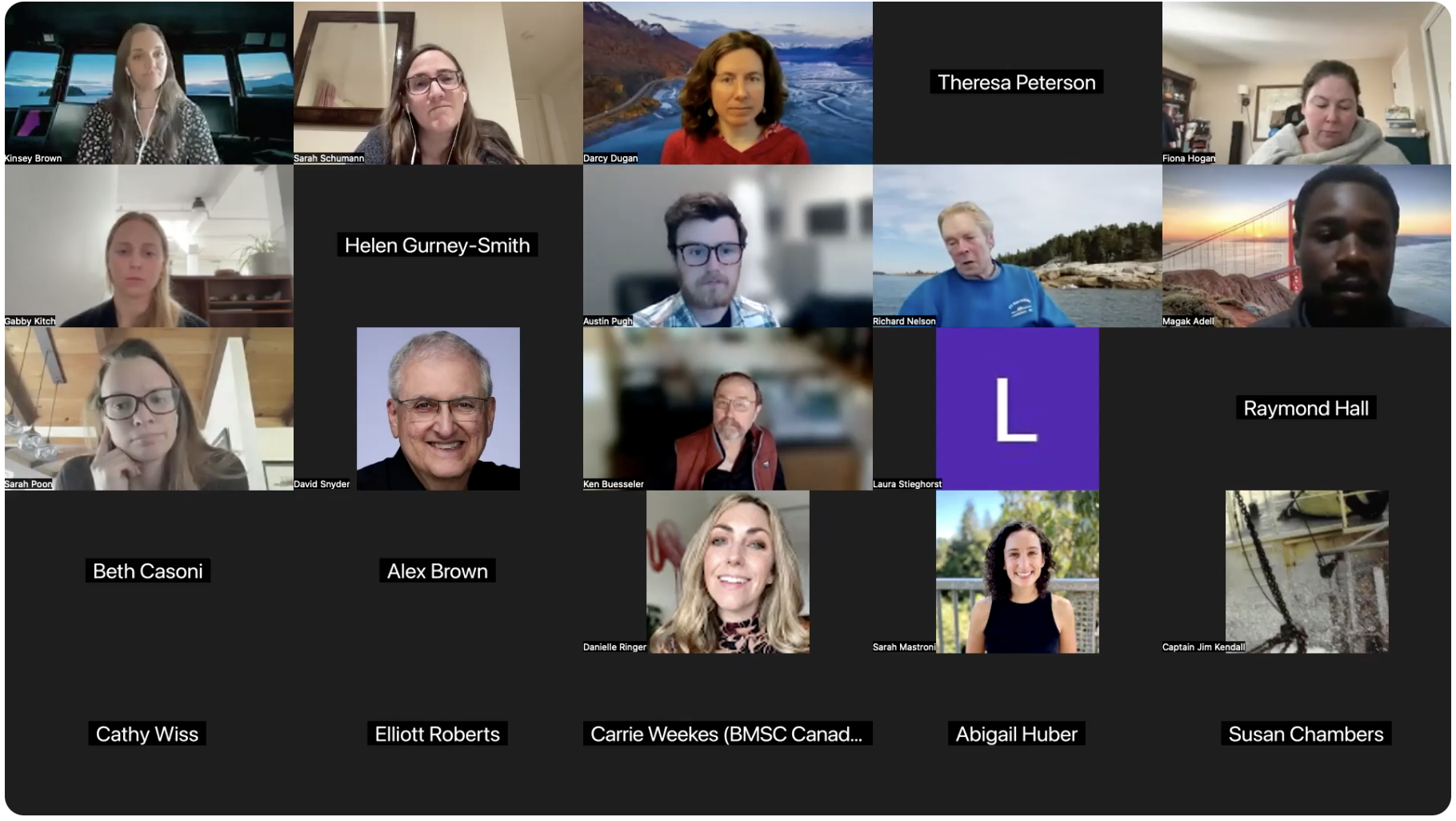
In 2025-2026, fishermen are working through the Fishery Friendly Climate Action Campaign in partnership with the Responsible Offshore Development Alliance and several supporting organizations to produce guidance documents outlining the need for mCDR research to be conducted in ways that respect and uphold the integrity of marine ecosystems and ocean-dependent communities. We call this “fishery sensitive mCDR.” This is a fishing industry-led project that aspires to center fisheries impacts and co-benefits at every stage of mCDR research and governance. It began with a series of 17 fishing industry roundtables in 2025, and will result in the publication of a Guidance for Fishery-Sensitive mCDR memo series in 2026.


Learn more!
-
Prepared by: Fiona Hogan, Responsible Offshore Development Alliance (RODA)
Intent: To provide preliminary guidance that mCDR developers and mCDR permitting agencies should use when engaging the fishing industry in the design of proposed projects or surveys taking place in fishing areas and seeking feedback from the broader fishing industry community.
-
Prepared by: Fiona Hogan, Responsible Offshore Development Alliance (RODA)
Intent: To provide preliminary guidance on the core elements that should be incorporated into the governance of pilot and full-scale mCDR projects that would ensure a transparent, science-based, and collaborative approach is taken that recognizes the expertise of the fishing industry.
-
Prepared by: Darcy Dugan, Alaska Ocean Acidification Network (AOAN), Alex Harper, California Current Acidification Network (C-CAN), Austin Pugh: Northeast Coastal Acidification Network (NECAN)
Intent: To provide preliminary guidance for engaging commercial fishermen in the context of: mCDR project design, assessing baseline biogeochemical conditions of prospective mCDR sites; monitoring, reporting, and verification (MRV) of mCDR projects; and assessments of impacts to marine resources via pre-development and post-development site-specific fisheries surveys.

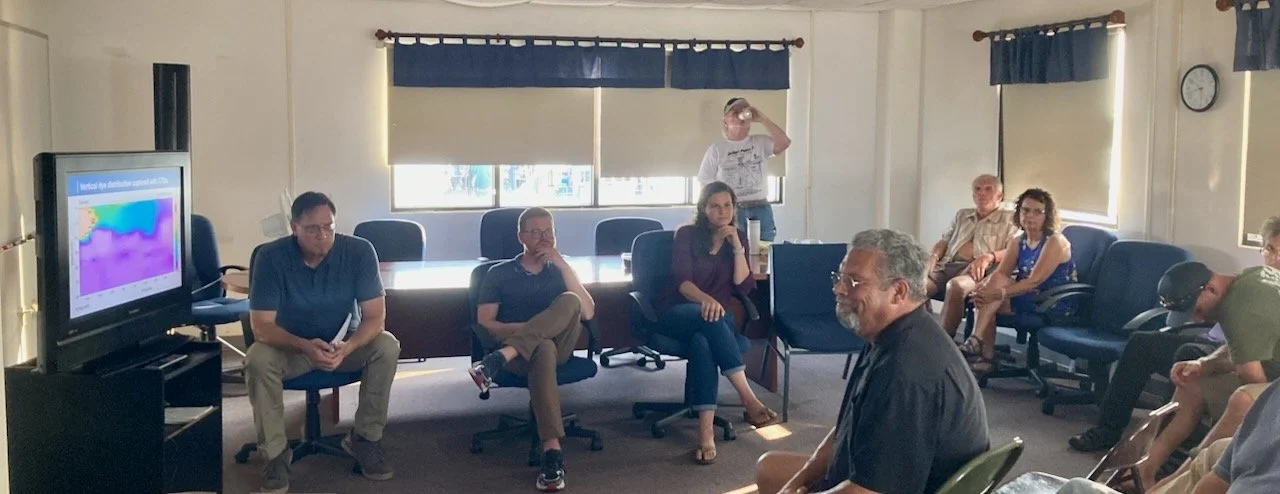
Local Action from Coast to Coast
Fishery Engagement in the LOCNESS Field Trial
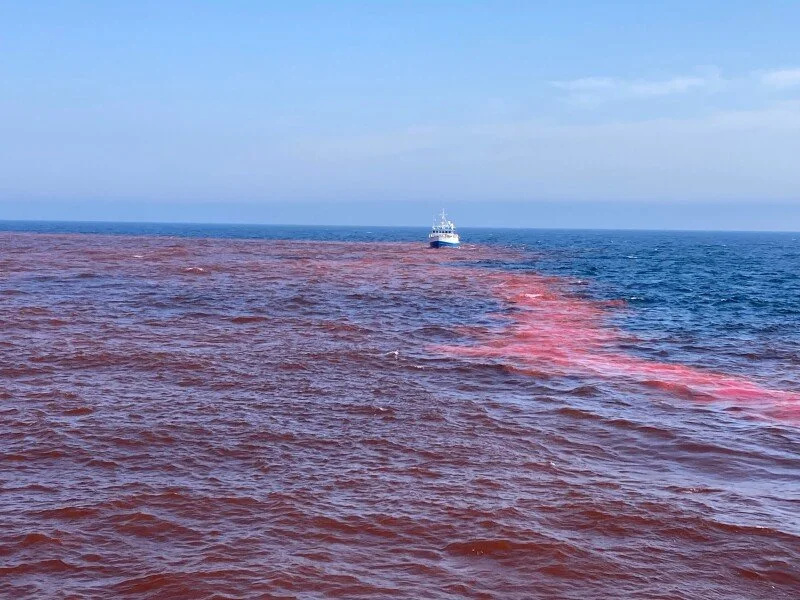
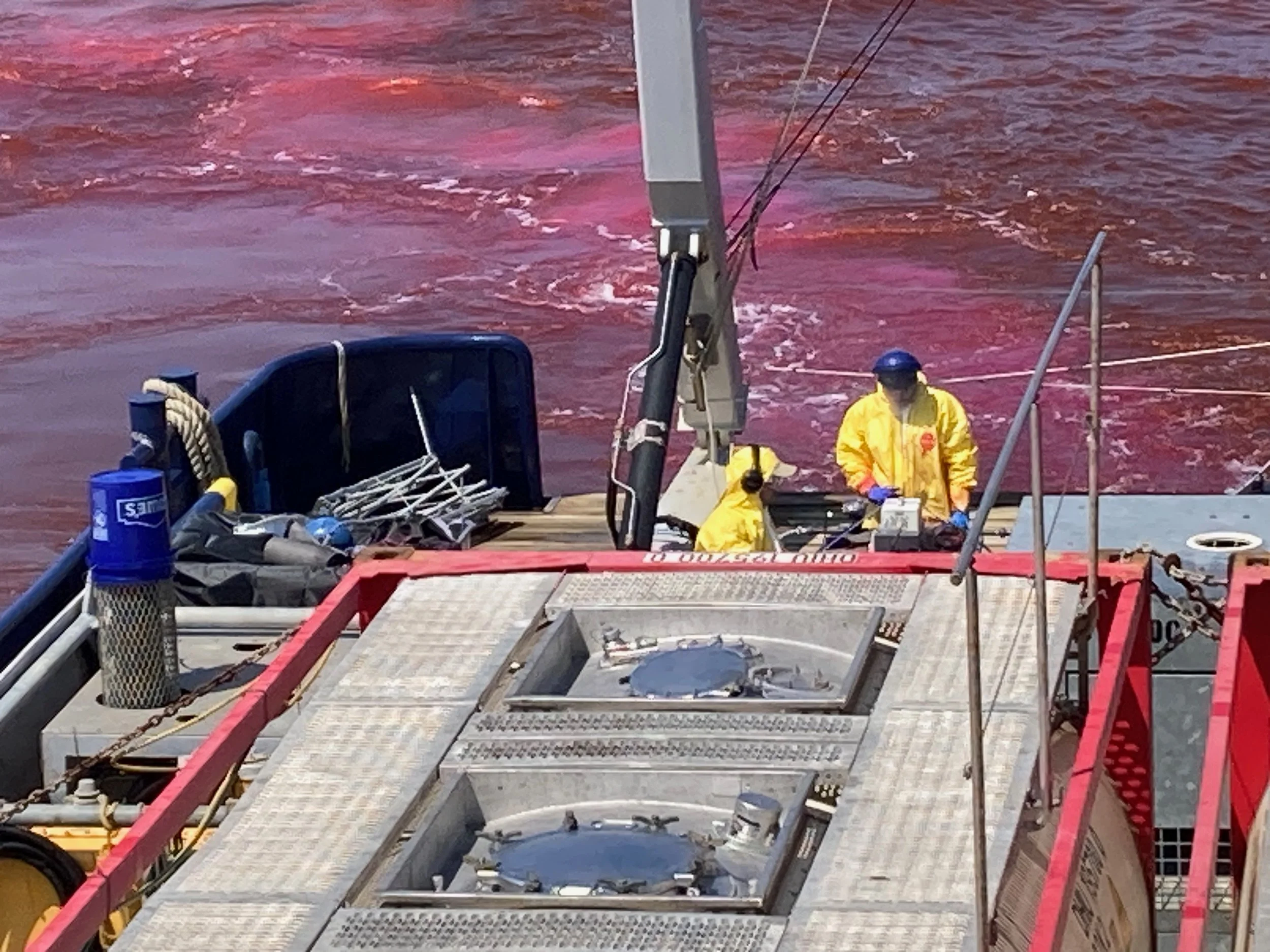
In 2025, New England fishermen had a front row seat to the U.S.’ first offshore ocean alkalinity enhancement (OAE) field trial: WHOI’s LOCNESS project in the Gulf of Maine. We are compiling lessons learned from this precedent-setting experience at our LOC-NESS case study page.

Community Leaders and mCDR (CLaM) Project
In 2025-2027, Alaska’s Community Leaders and mCDR (CLaM) project, hosted by Cordova District Fishermen United, is bringing together coastal communities to learn about mCDR and discuss what it could mean for Alaska. Learn more about the CLaM team’s local outreach and conversations in Kodiak, Cordova, and beyond.
Bringing Fishery Perspectives to mCDR Spaces
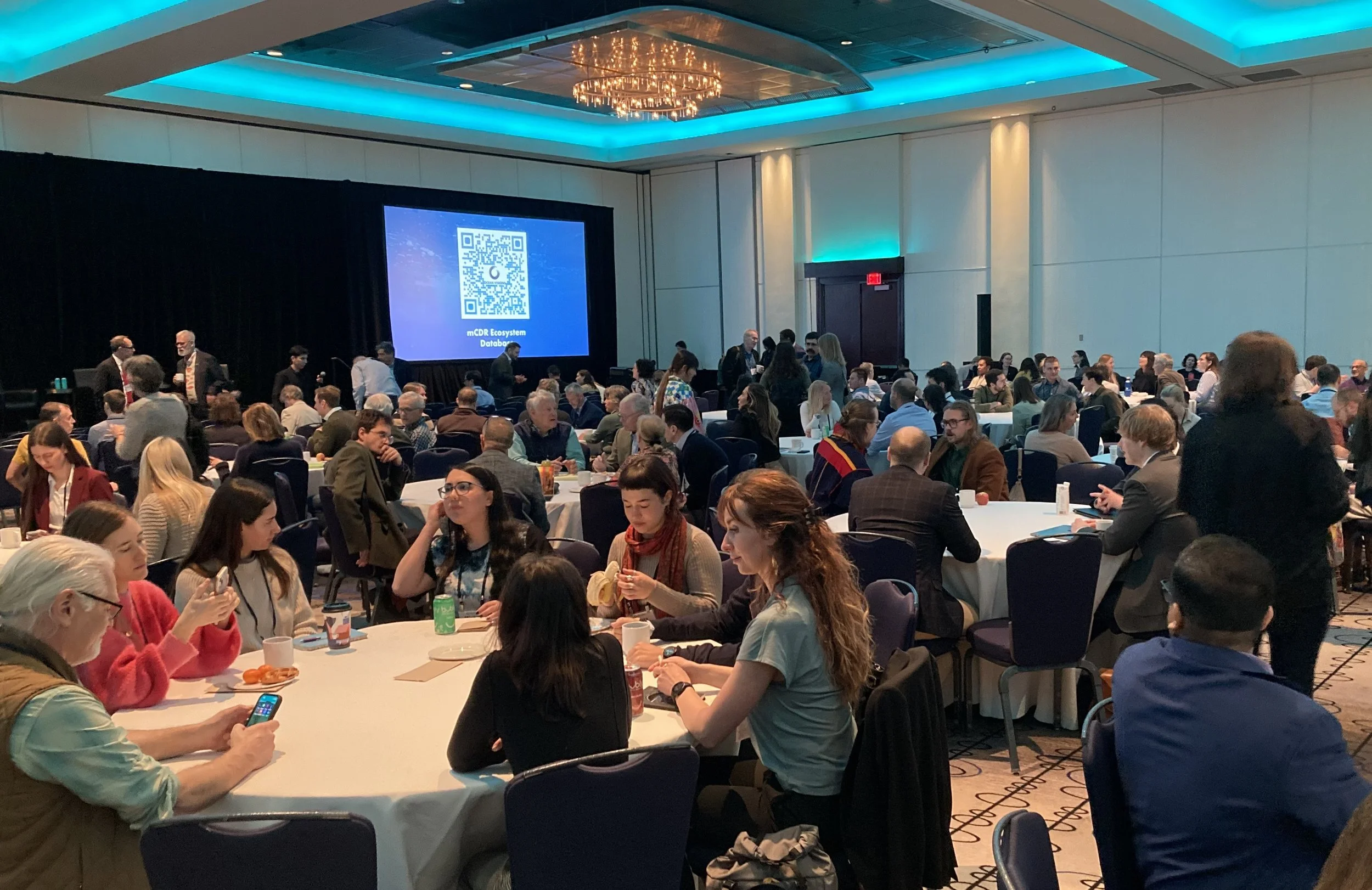
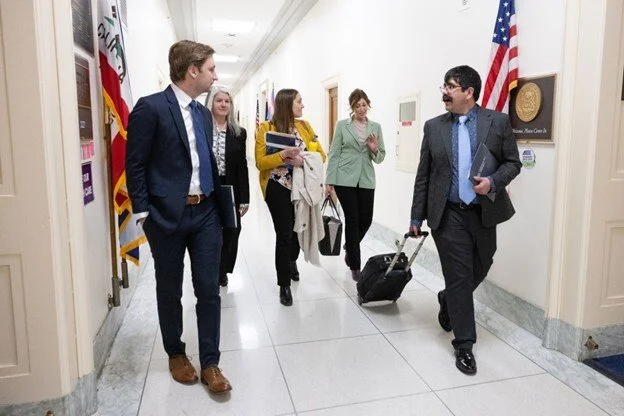
Fishery Friendly Climate Action Campaign director Sarah Schumann has been penetrating mCDR-related spaces since 2024 to bring a fishing-centric view to the expanding mCDR community of practice. Every interaction opens a gateway into the mCDR community—one that fishermen can pass through to make their voices heard.
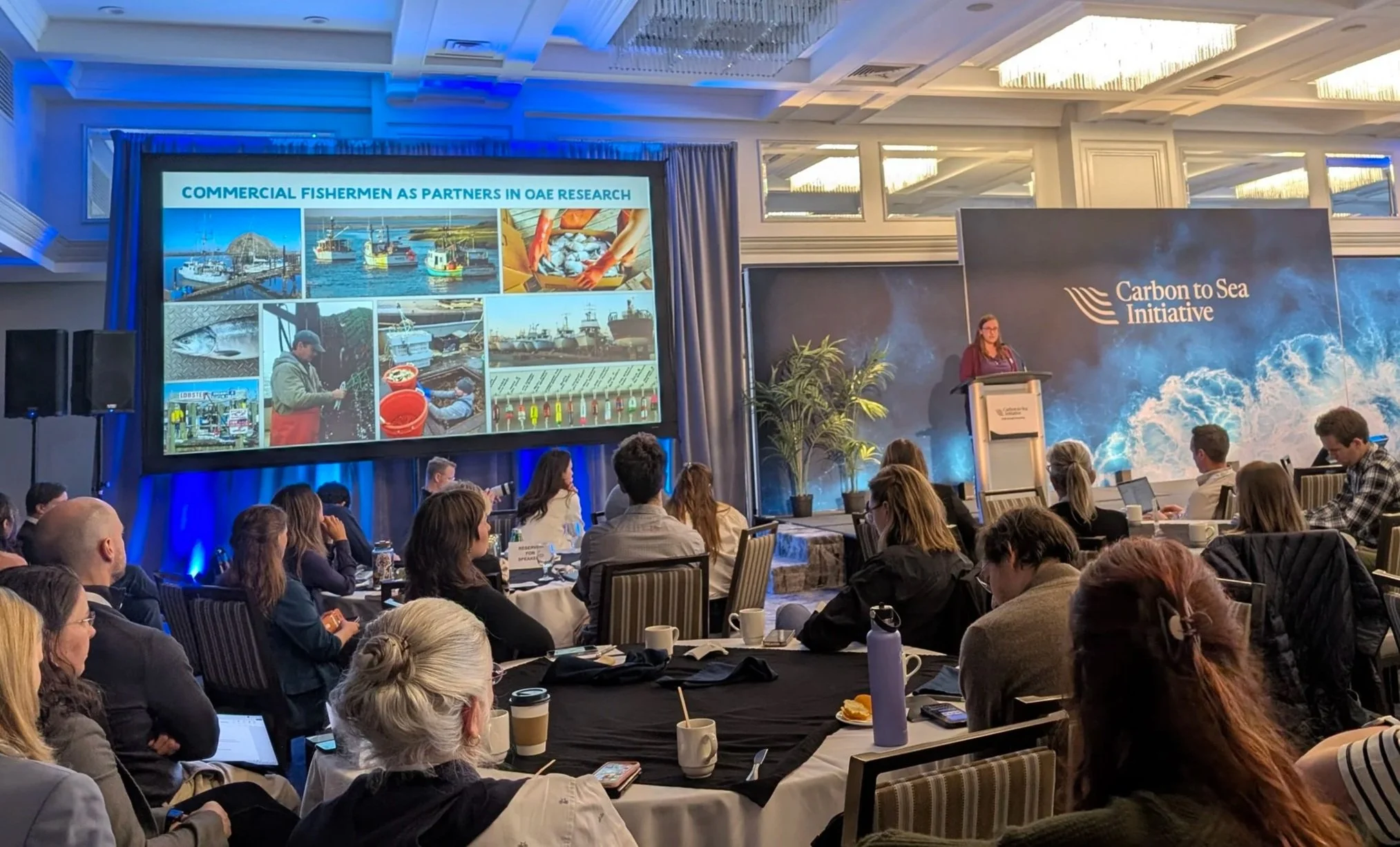
Sarah’s appearances include Capitol Hill Ocean Week 2024, the Pacific Northwest mCDR Node, the Ocean Visions Summit 2025, Columbia University’s “Navigating Marine Carbon Dioxide Removal: From Science to Regulation: A Law and Policy Symposium,” the Marine Carbon Dioxide Removal in Canada Forum, and the 2026 Ocean Sciences Meeting.
Sarah is also serving as an advisor to Arizona State University’s Consortium for Science, Policy & Outcomes’ “Building Informed and Involved Communities for Responsible Marine Carbon Dioxide Removal—A Workshop Series” and Global Ocean Health’s “Working Group on Management of Marine Carbon Removal.”
The Fishery Friendly Climate Action Campaign has facilitated fishermen’s input into several strategy reports, including: Ocean Visions’ “Building a Collective Strategy to Advance mCDR RD&D for Climate-Relevant Solutions,” Ocean Visions’ “Phytoplankton-Based Carbon Dioxide Removal Project,” and the Carbon to Sea Initiative’s “Ocean Alkalinity Enhancement Environmental Impact Monitoring Framework.”
Connecting Internationally
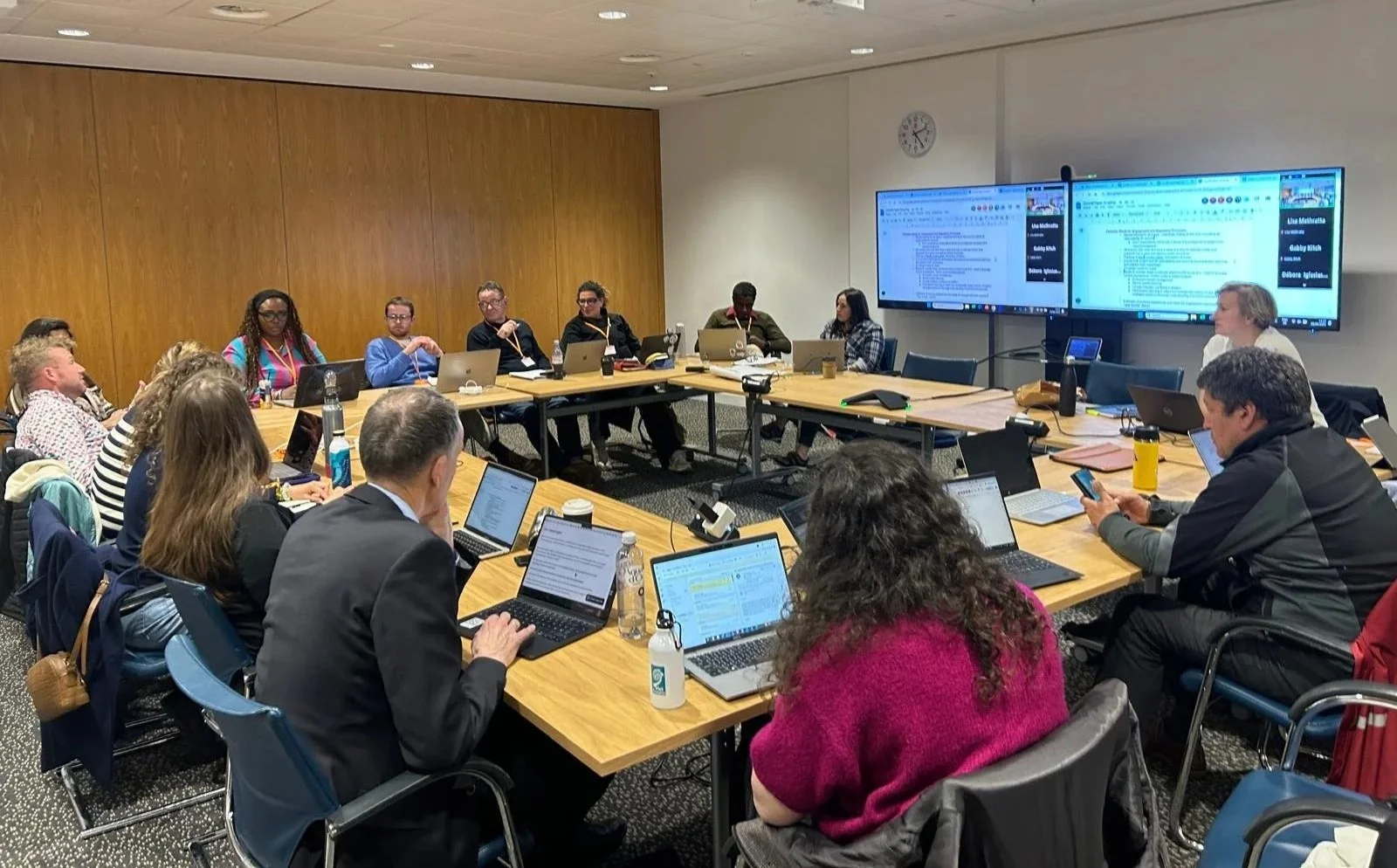
Half a dozen fishermen and fishing association representatives from the U.S. and Scotland participated in the ICES Workshop on Marine Carbon Dioxide Removal (WKmCDR) in October 2024, followed by a writing workshop in London in April 2025. These fishing industry participants contributed to several manuscripts submitted to an ICES Journal of Marine Science themed set on “Marine Carbon Dioxide Removal and its Interactions with Ecosystems, Fisheries, and Aquaculture,” including a fishing industry-led piece called “Commercial fishery perspectives on mCDR: Twelve takeaways from the front lines of ocean-based climate solutions.”
In 2026, ICES will launch a new Working Group on Marine Carbon Dioxide Interactions with Ecosystems, Fisheries, and Aquaculture (WGmCDRFISH). Fishery Friendly Climate Action Campaign director Sarah Schumann is one of the group’s co-chairs, ensuring that a fishing industry perspective remains front and center.
mCDR Newsfeed
From the Campaign blog and beyond