

Blog
Spotlighting fishermen-led climate action from coast to coast
Join the action, advance the cause! Fishery fuel cost relief and energy efficiency investments
Fishing industry members and their allies are invited to fill in a form to express support for the contents of “Fishery Fuel Cost Relief & Energy Efficiency Investments: A Fishing Industry Policy Platform”. This sign-on opportunity will support fishing industry-led organizing and advocacy to expand federal efficiency and relief programs and make them more accessible to commercial fishermen. Now is the time to make our voices heard!
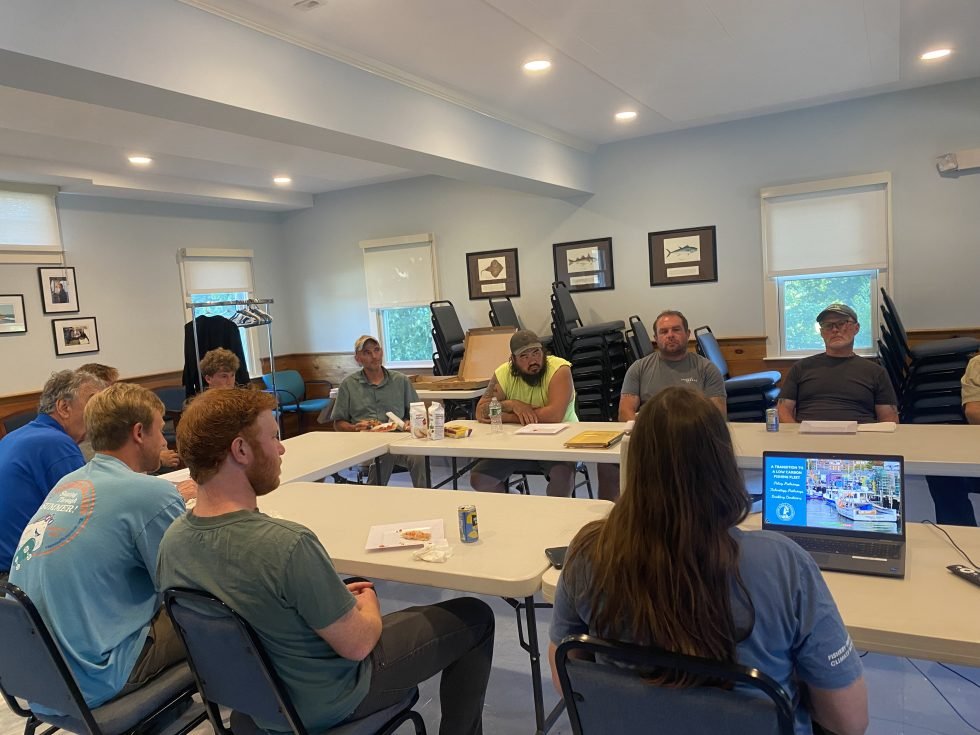
Cape Cod Commercial Fishermen’s Alliance: Fishermen propose solutions to high fuel prices
From the Cape Cod Commercial Fishermen’s Association’s Plumbing the Depths series.
Andrew Spalt has been paying about $1.50 more a gallon for fuel since April, about $40,000 a vessel, more than $100,000 across his three boats.
“You have to go fishing; you can’t really negotiate the price. It just hurts more,” said Spalt, working on his boats in New Bedford on a June day.
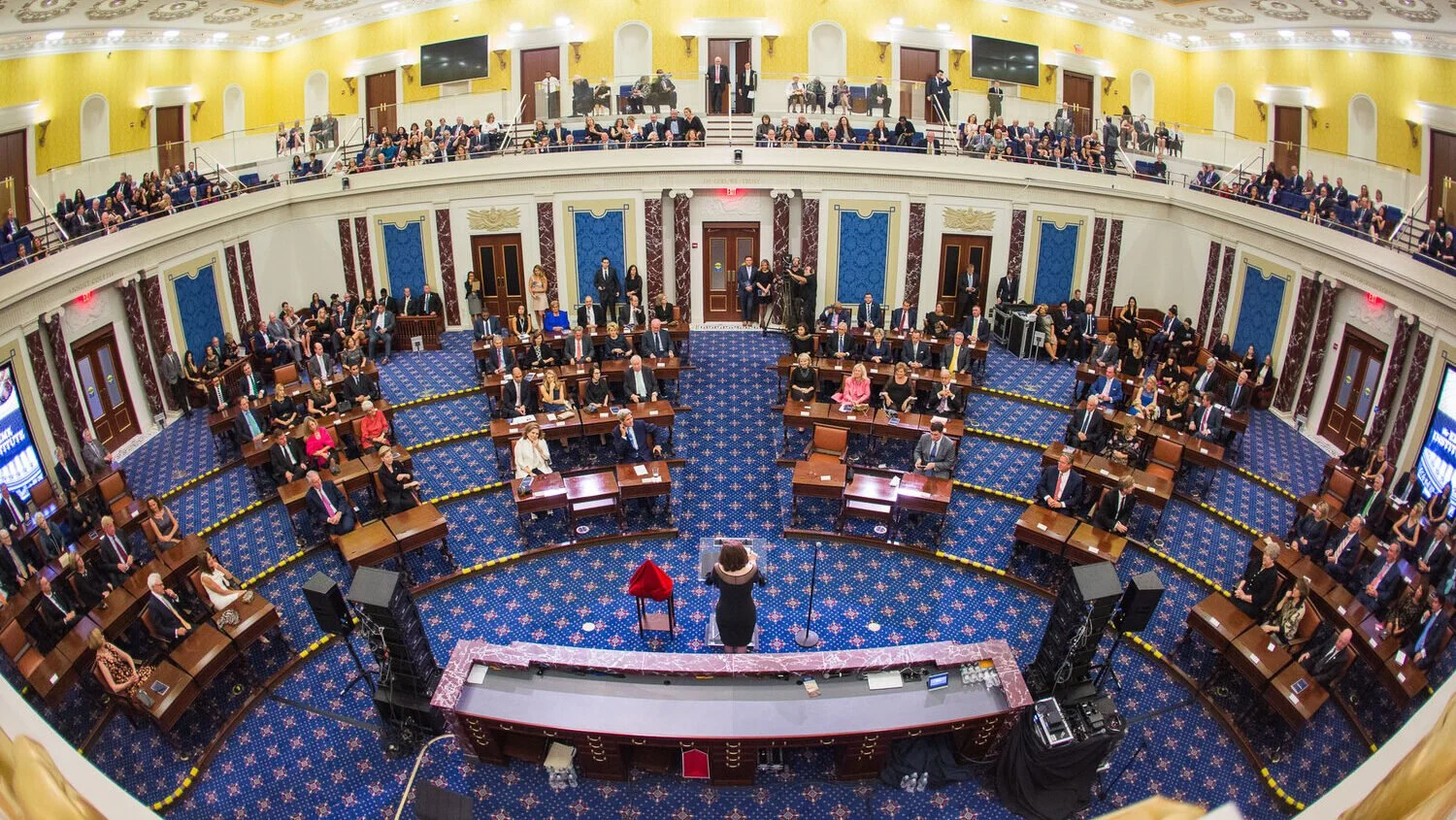
Report to the fleet: Conversations with policy makers about tackling the fuel cost crisis
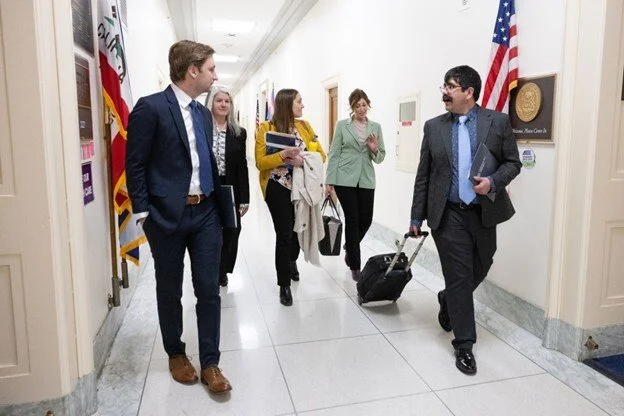
In recent weeks, I have joined fishermen across New England, Washington, and California to meet with Senate offices and the new USDA Seafood Office. The purpose of those conversations was to explore current and near-term opportunities for fishermen and their representatives to shape policy outcomes related to fuel cost relief, investments in vessel efficiency and energy innovation, or both. This blog is a report to the fleet about what we’ve learned.
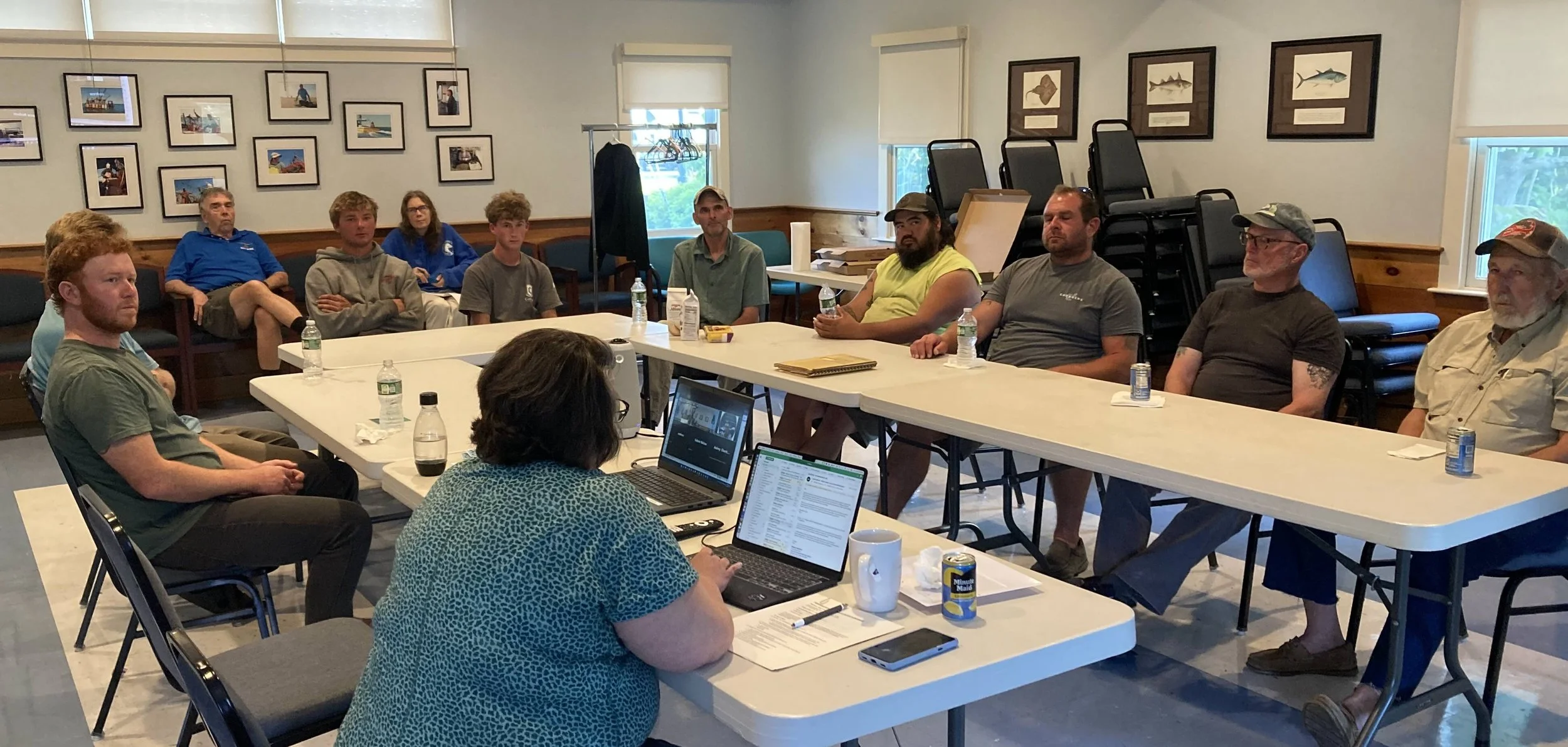
Workshops in RI and MA highlight urgency of fuel efficiency and relief programs
Tim Rovinelli and Dean Karoblis are Fishing Fleet Energy Resilience Fellows with the Fishery Friendly Climate Action Campaign. In this blog, they share takeaways from two workshop in early June—one in Wakefield, Rhode Island and one in Chatham, Massachusetts—focused on this season’s high fuel prices and what fishermen and their partners in government can do to counter the crisis.
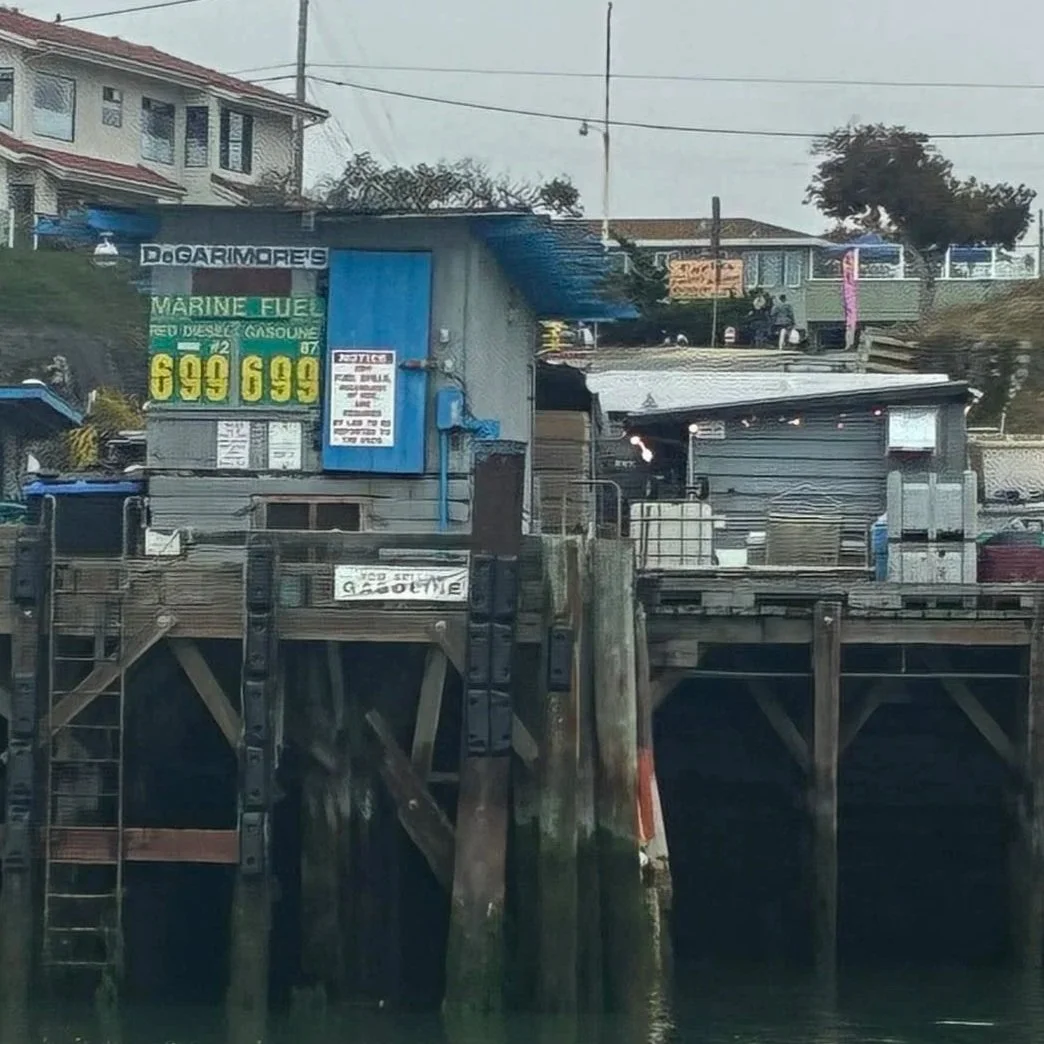
Federal fuel price relief for fishermen: A look at program design options
What kinds of short-term fuel cost relief mechanisms are available to get the fishing industry to the end of this fishing season without crippling losses? This blog reviews models from NOAA fishery resource disaster relief, recent USDA agricultural relief programs, the 2020 seafood trade relief program, and the early 2000’s trade adjustment assistance program.
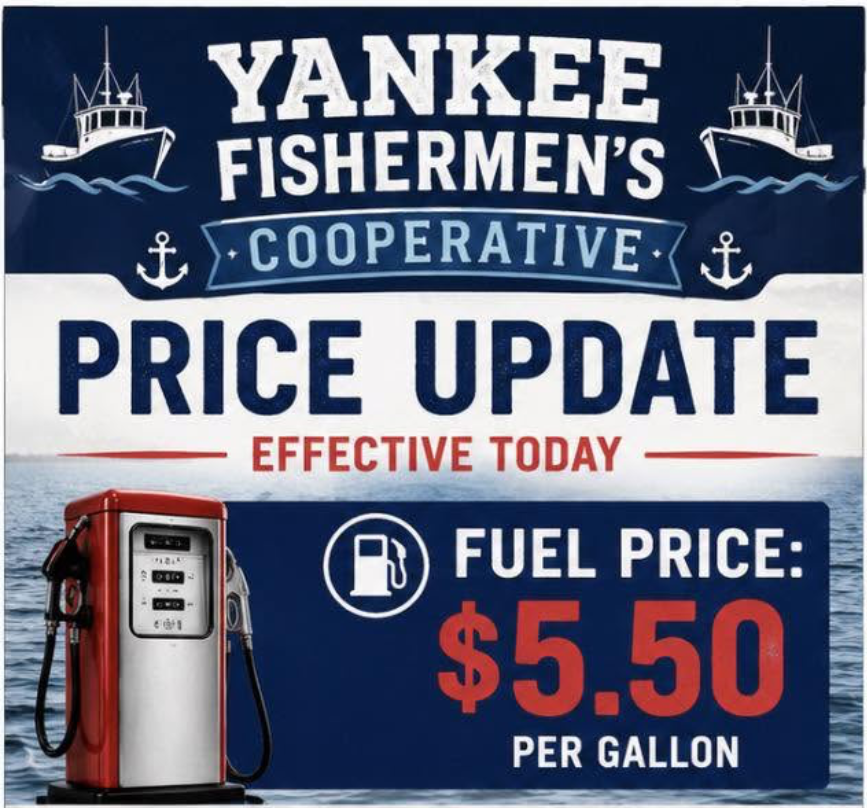
Fuel prices are hurting the fleet. It’s time to take action.
In fishing ports worldwide, fishermen are feeling the pinch of high diesel prices. How can the fishing industry advocate for policy packages that marry (1) short-term price relief to get us through the year with (2) longer term investments in fishing vessel energy efficiency and potentially even exploration of non-petroleum based fuels, to buffer our industry from the price shocks of the future?
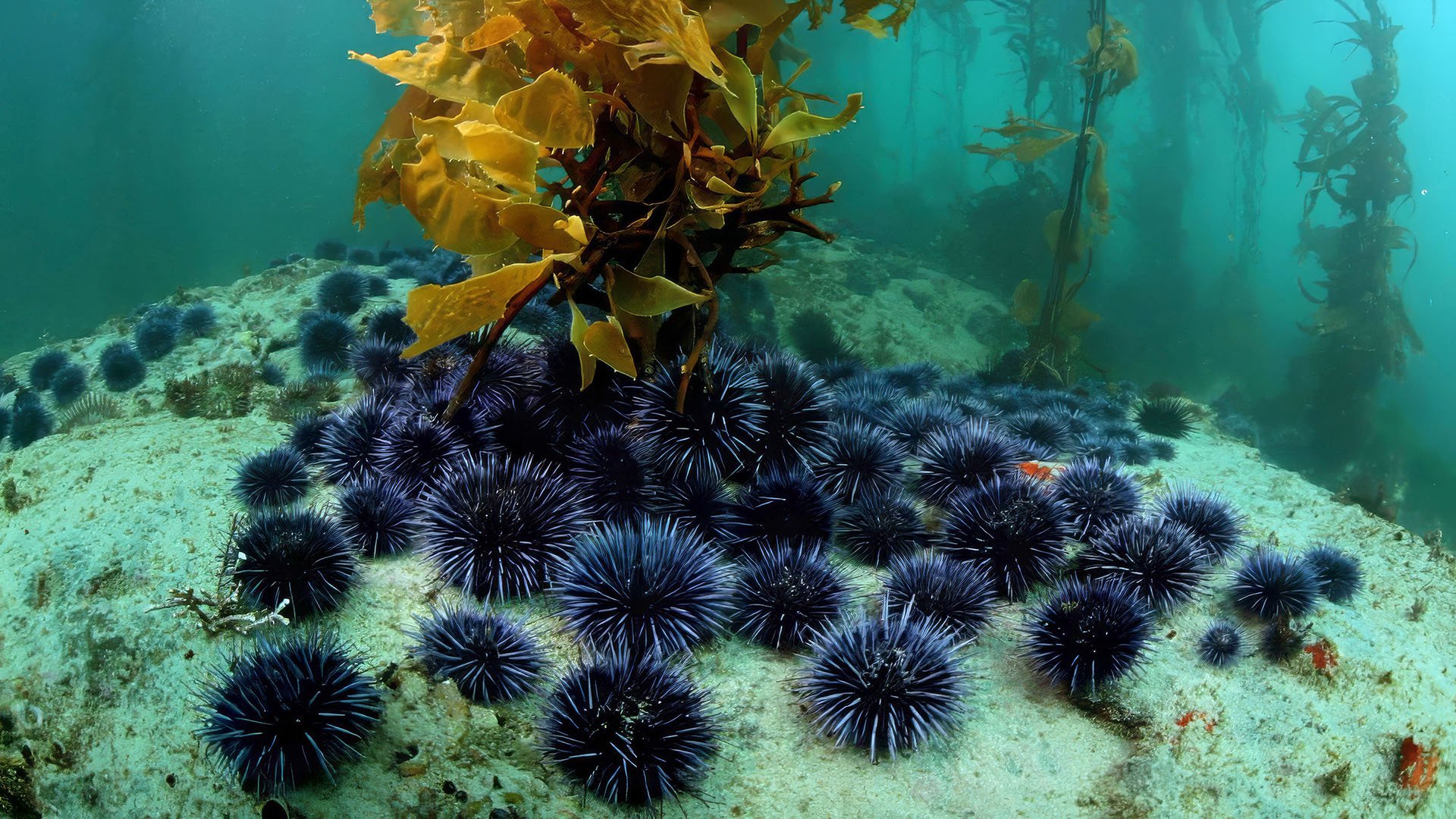
An urchin diver’s underwater portrait of El Niño
Bruce Steele is a Southern California urchin diver who has spent thousands of hours underwater observing patterns and anomalies in the California Current ecosystem. Here, he draws on that experience to describe in intimate detail what that underwater scene looks and feels like at the inception of what is predicted to be one of the most intense El Ninos in over a century.
Fishermen take interest in federal marine carbon dioxide removal research bill
This is an excerpt from an article published in National Fisherman.
A bill aimed at fostering research on marine carbon dioxide removal (mCDR) is working its way through Congress. If passed, it would authorize NOAA to designate ocean areas for mCDR testing and make grants to fund this testing. While most fishermen have not yet heard of mCDR (much less talked with their elected officials about it), a few are starting to pay attention—and to let their views be known.
How “fishery sensitive” is the ReSCUE Oceans Act?
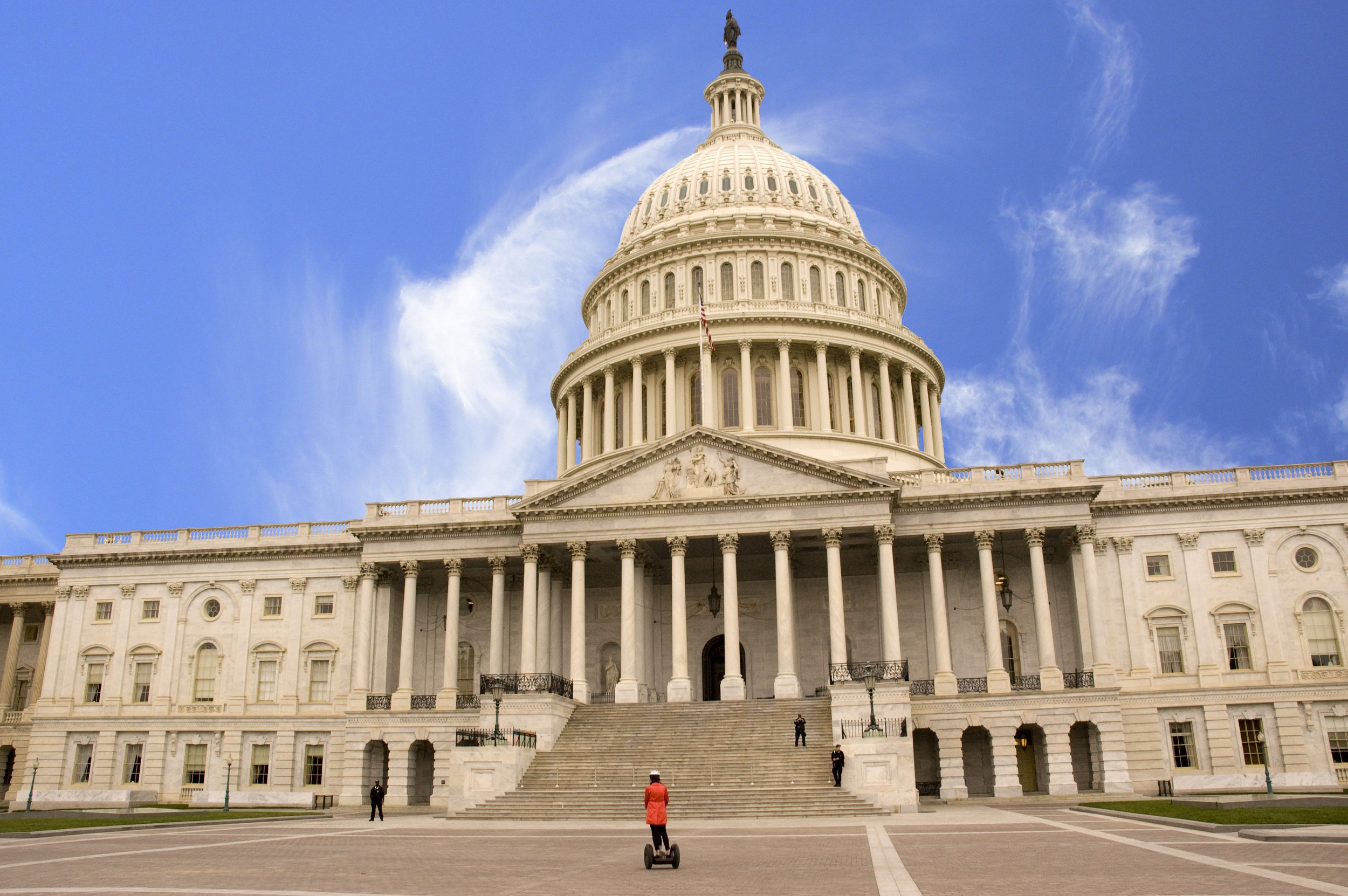
The ReSCUE Oceans Act, would, if enacted, promote federally coordinated mCDR research through grants programs, interagency coordination, and the establishment of designated mCDR research areas with advisory panels to oversee them. What could the ReSCUE Oceans Act mean for fisheries? This blog post will provide some initial answers to this question. A deeper dive can be found in our 19-page policy analysis, “How ‘fishery sensitive’ is the ReSCUE Oceans Act?”
Carbon to Sea Convening: Sarah’s Remarks
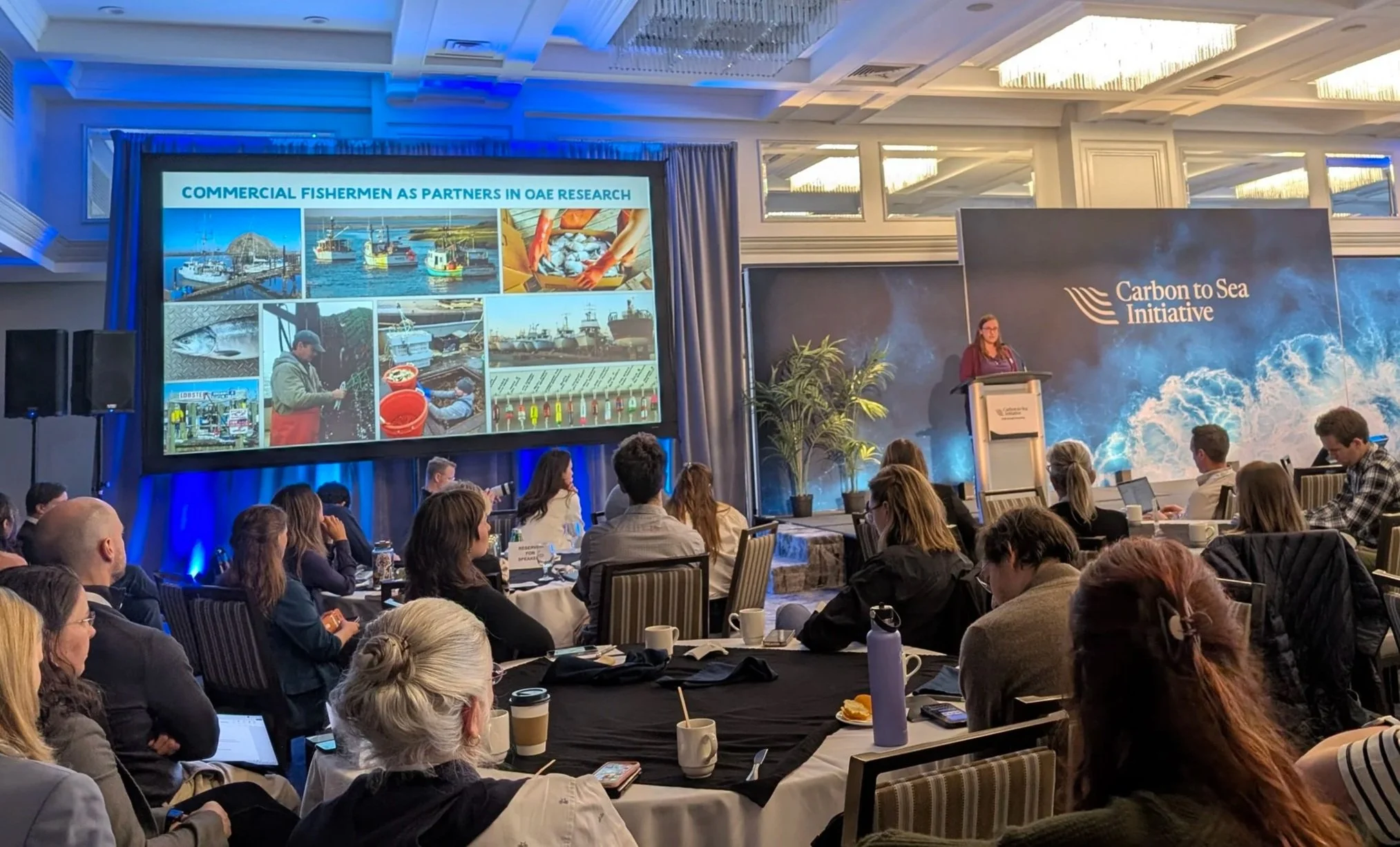
Today, I attended Day One of the Carbon to Sea Initiative’s Annual Convening in Halifax, Nova Scotia, along with a group of other fishermen and fisheries representatives from the US and Canada. I was given five minutes at the podium to talk about Commercial Fishermen as Partners in Ocean Alkalinity Enhancement (OAE) Field Research. These are my remarks.

Podcast and Analysis: Lessons from LOC-NESS for the Future of Fishery Engagement in mCDR
Ashley McKinnon is a graduating senior at Brown University who completed her thesis research in collaboration with the Fishery Friendly Climate Action Campaign, focused on exploring lessons learned through fishing community engagement in the LOC-NESS ocean alkalinity enhancement field trial completed by the Woods Hole Oceanographic Institution in 2025. Listen to a podcast interview with Ashley and read her thesis!
Can fishing communities make mCDR “fishery sensitive” by influencing its funding channels?
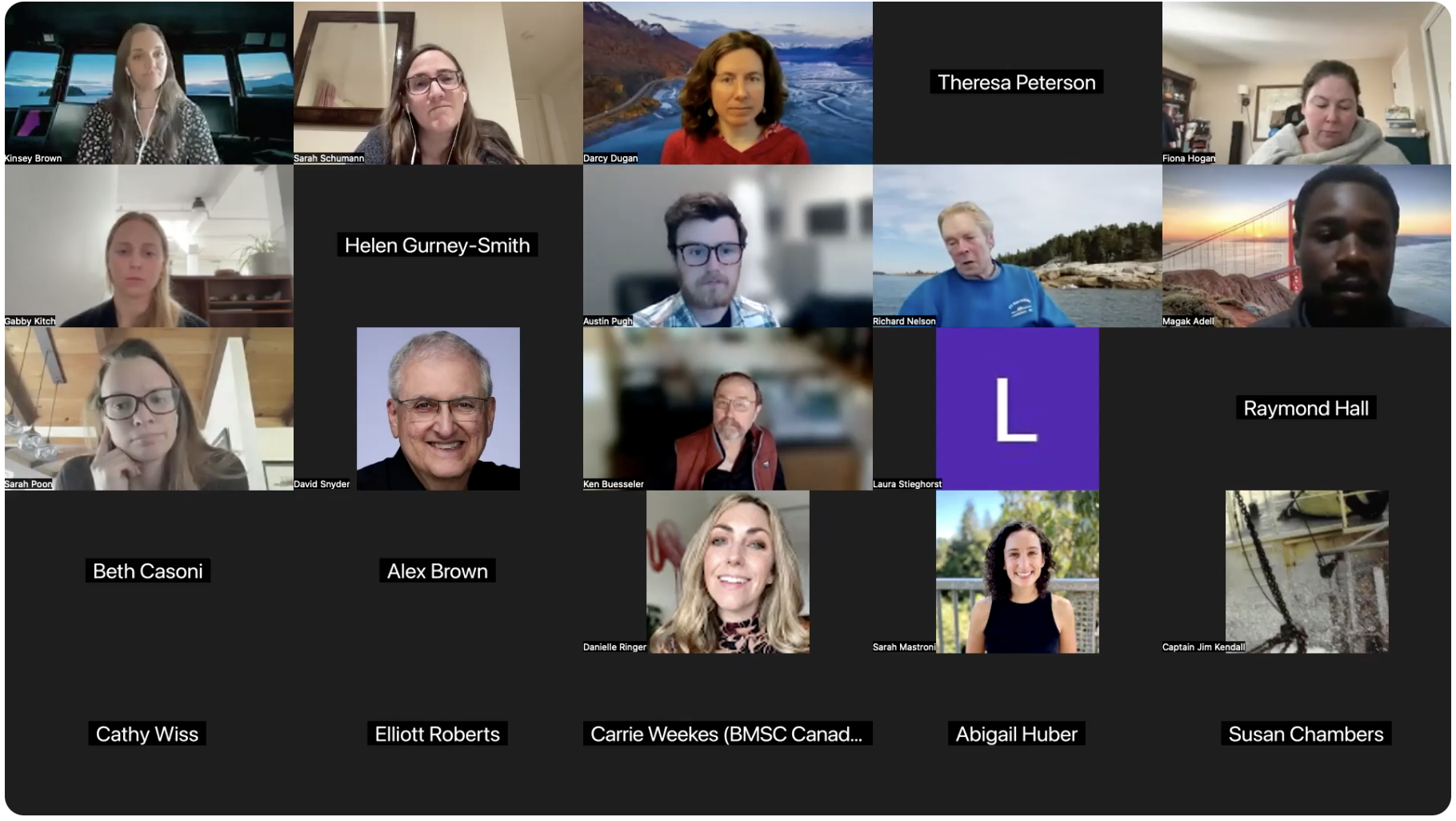
Funding and investment decisions play a major role in shaping any innovation, and mCDR is no exception. But it’s not always clear to communities that stand to be affected by an innovation who is behind those funding decisions or what criteria they’re using to make them. In this blog, inspired by discussion during our webinar on Defining "Fishery Sensitive" Marine Carbon Dioxide Removal, Sarah Schumann explores the philanthopic funding landscape for mCDR and how fishing communities can have a say.