

Blog
Spotlighting fishermen-led climate action from coast to coast
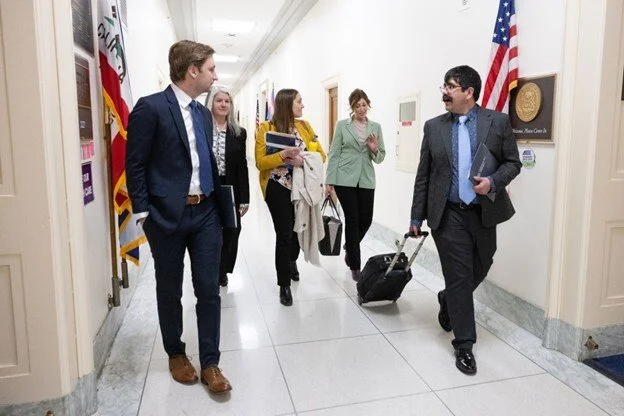
Fishermen take interest in federal marine carbon dioxide removal research bill
This is an excerpt from an article published in National Fisherman.
A bill aimed at fostering research on marine carbon dioxide removal (mCDR) is working its way through Congress. If passed, it would authorize NOAA to designate ocean areas for mCDR testing and make grants to fund this testing. While most fishermen have not yet heard of mCDR (much less talked with their elected officials about it), a few are starting to pay attention—and to let their views be known.
How “fishery sensitive” is the ReSCUE Oceans Act?
The ReSCUE Oceans Act, would, if enacted, promote federally coordinated mCDR research through grants programs, interagency coordination, and the establishment of designated mCDR research areas with advisory panels to oversee them. What could the ReSCUE Oceans Act mean for fisheries? This blog post will provide some initial answers to this question. A deeper dive can be found in our 19-page policy analysis, “How ‘fishery sensitive’ is the ReSCUE Oceans Act?”
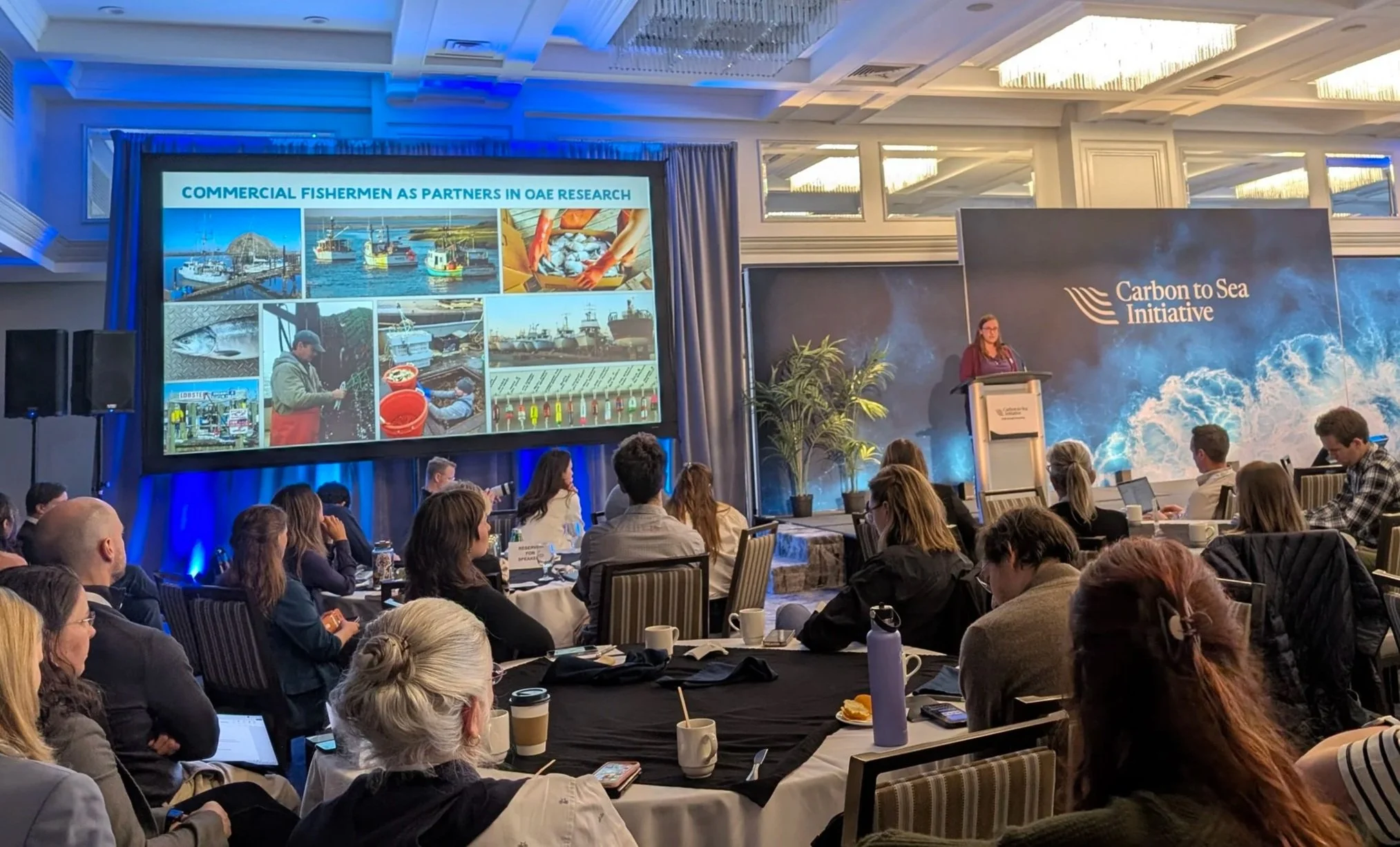
Carbon to Sea Convening: Sarah’s Remarks
Today, I attended Day One of the Carbon to Sea Initiative’s Annual Convening in Halifax, Nova Scotia, along with a group of other fishermen and fisheries representatives from the US and Canada. I was given five minutes at the podium to talk about Commercial Fishermen as Partners in Ocean Alkalinity Enhancement (OAE) Field Research. These are my remarks.
Podcast and Analysis: Lessons from LOC-NESS for the Future of Fishery Engagement in mCDR
Ashley McKinnon is a graduating senior at Brown University who completed her thesis research in collaboration with the Fishery Friendly Climate Action Campaign, focused on exploring lessons learned through fishing community engagement in the LOC-NESS ocean alkalinity enhancement field trial completed by the Woods Hole Oceanographic Institution in 2025. Listen to a podcast interview with Ashley and read her thesis!
Can fishing communities make mCDR “fishery sensitive” by influencing its funding channels?
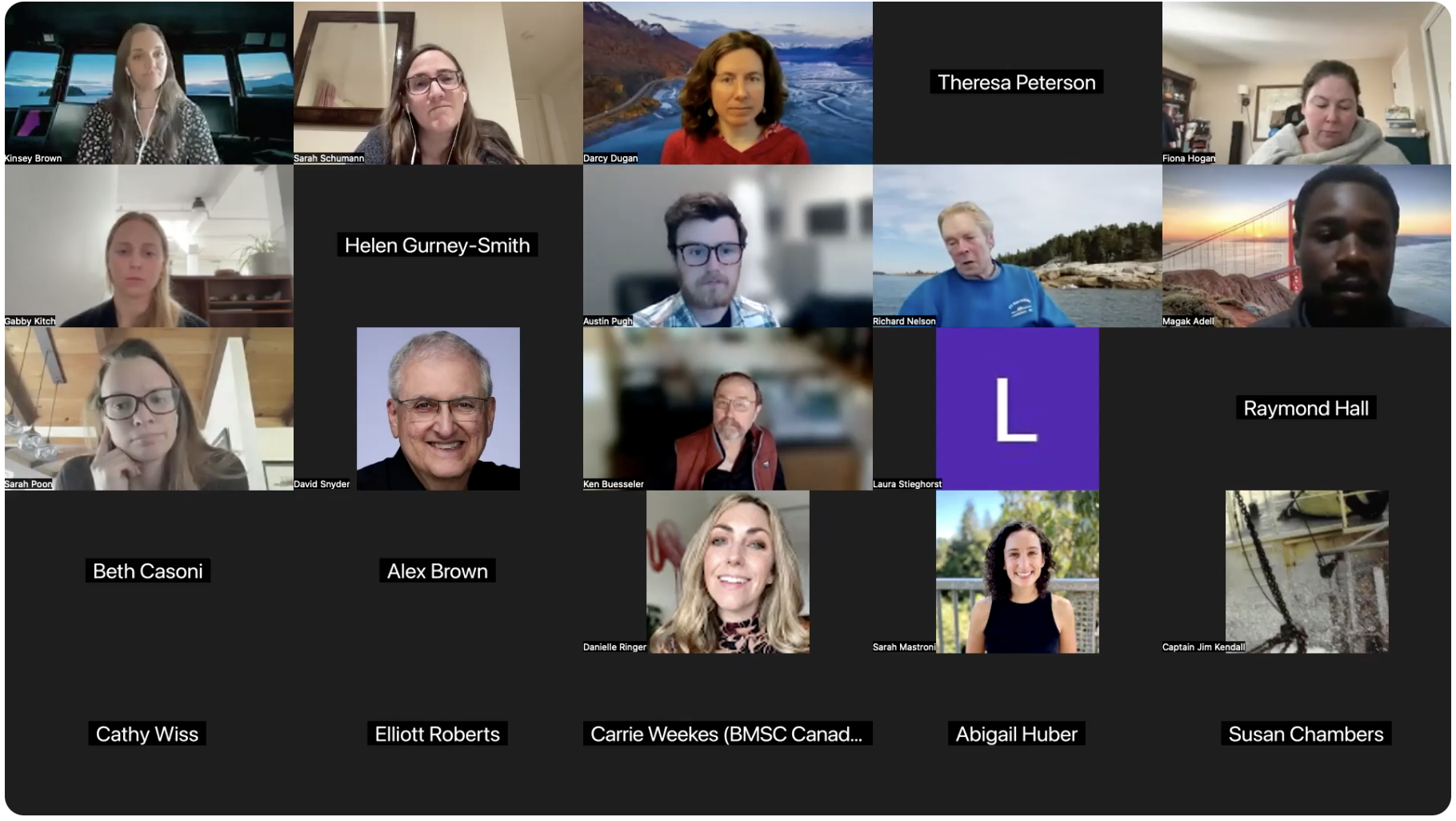
Funding and investment decisions play a major role in shaping any innovation, and mCDR is no exception. But it’s not always clear to communities that stand to be affected by an innovation who is behind those funding decisions or what criteria they’re using to make them. In this blog, inspired by discussion during our webinar on Defining "Fishery Sensitive" Marine Carbon Dioxide Removal, Sarah Schumann explores the philanthopic funding landscape for mCDR and how fishing communities can have a say.
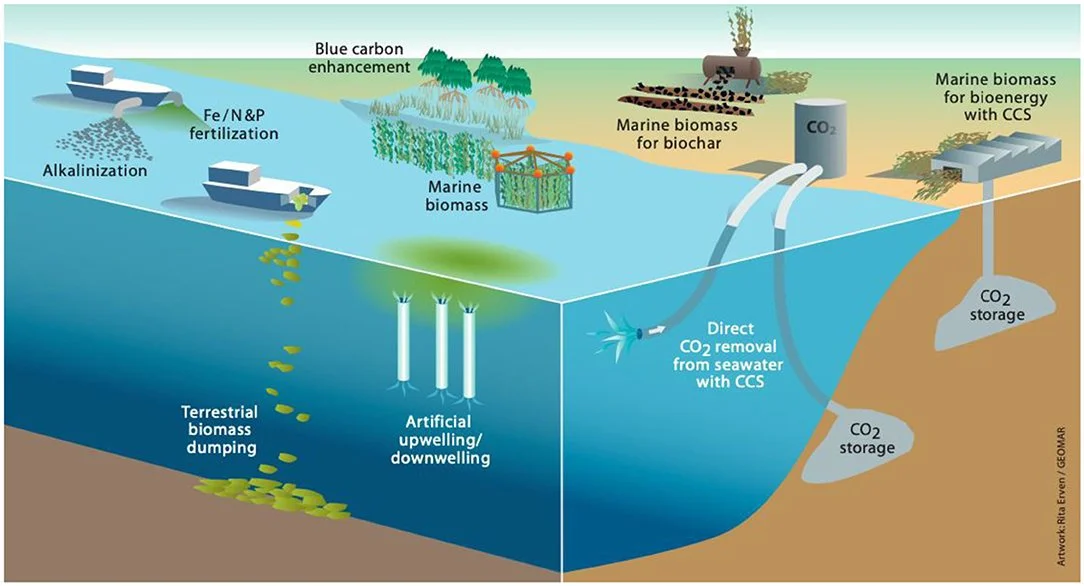
Industry puts forth guidance on a 'fishery sensitive' approach to marine carbon dioxide removal
This is an excerpt from an article published in National Fisherman. With the launch of a set of guidance memos last week, the fishing industry established its leadership in a set of novel ocean-based climate interventions that could someday become one of the largest human activities in the ocean: marine carbon dioxide removal (mCDR).
Ten takeaways about marine carbon dioxide removal from the Ocean Sciences Meeting
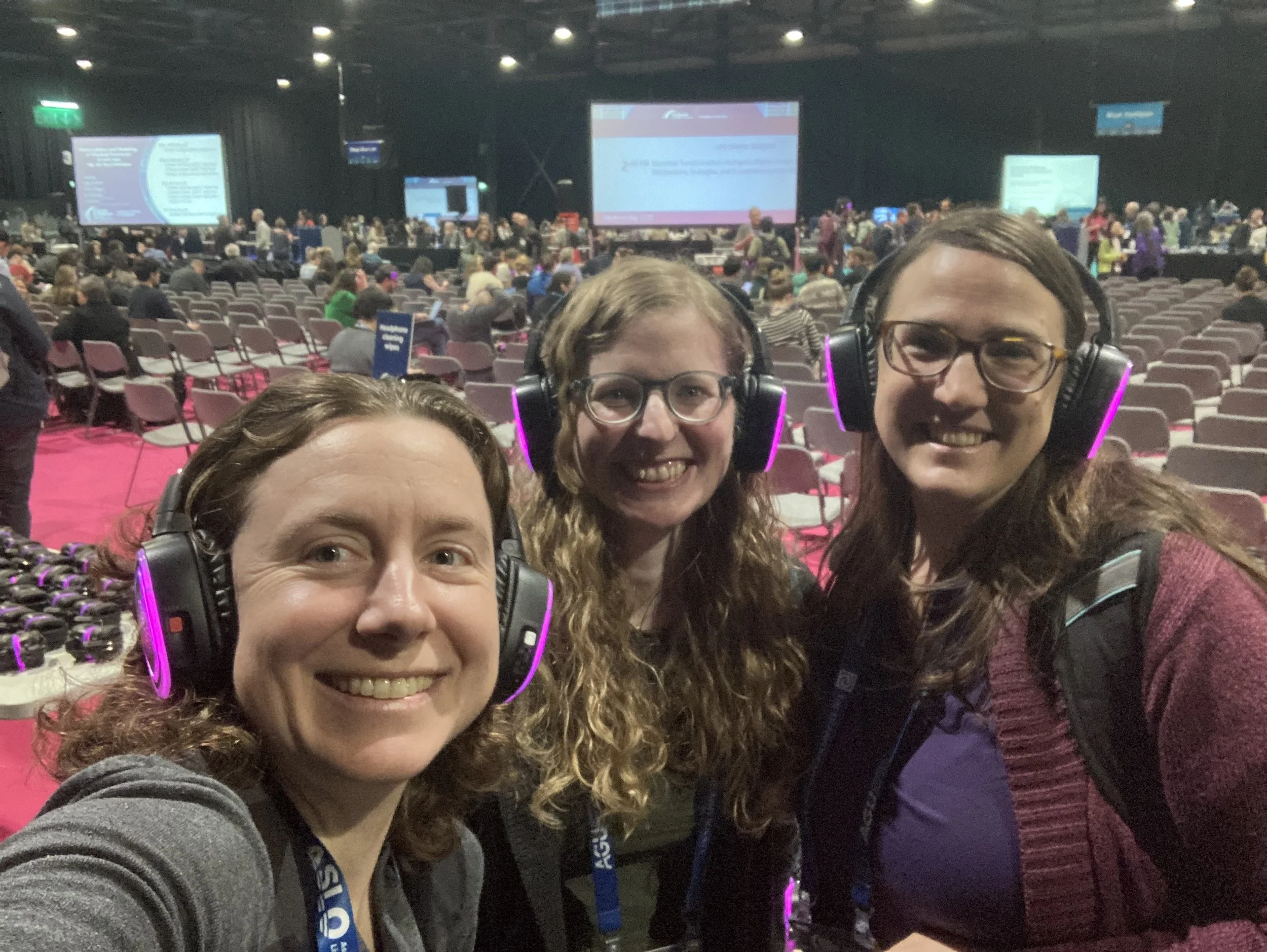
At the end of February, the two of us made a trip to Glasgow, Scotland to attend the Ocean Sciences Meeting. This event, which happens every two years, bills itself as “the flagship conference for the ocean sciences and the larger ocean-connected community.” The conference’s offerings included every oceanography-related topic imaginable, but we were there with a focus: to learn everything we could about marine carbon dioxide removal.
Reports and guidance memos offers early insights from the commercial fishing community on mCDR
In March and April 2025, 34 commercial fishermen and fisheries representatives met online for a series of roundtable discussions hosted through the Fishery Friendly Climate Action Campaign to discuss an emerging set of climate solutions collectively called marine carbon dioxide removal (mCDR). Today we announce the publication of a synthesis of those conversations.
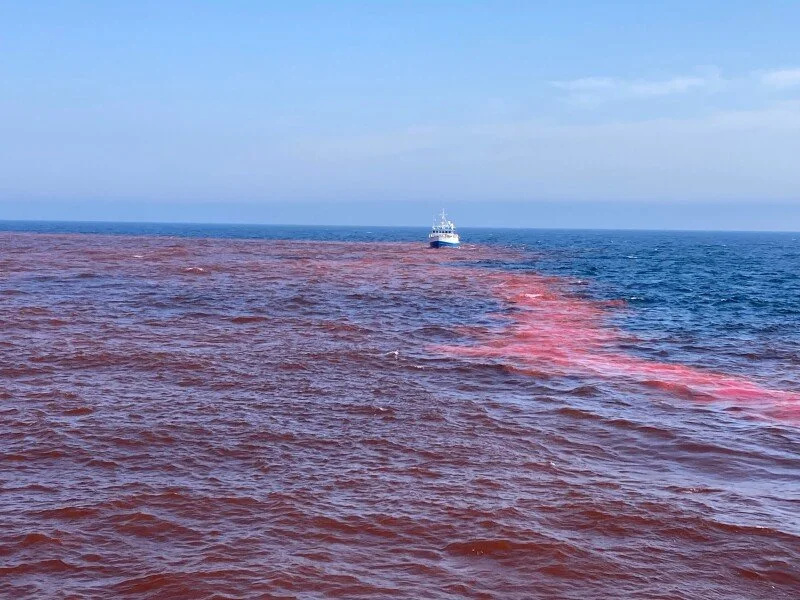
Gulf of Maine sees first open-water ocean alkalinity enhancement field trial in US
This is an excerpt from an article published in National Fisherman. The U.S.’s first ocean alkalinity enhancement (OAE) field trial in federal waters took place on Aug. 13, with the dispersal of 16,500 gallons of sodium hydroxide into the Gulf of Maine. Led by a team of Woods Hole Oceanographic Institute (WHOI) scientists, this milestone represents the culmination of three years of planning, which for the last year has included a steady stream of feedback (including some unvarnished pushback) from the fishing industry.

Post-field trial debrief with the LOC-NESS science team
Sarah Schumann caught up with two of the lead scientists of WHOI’s LOC-NESS ocean alkalinity enhancement field trial in the Gulf of Maine: Adam Subhas and Jennie Rheuban. She was curious to hear how the experiment went from their standpoint, what kind of data they had collected, and what preliminary results they were ready to share from the field trial.
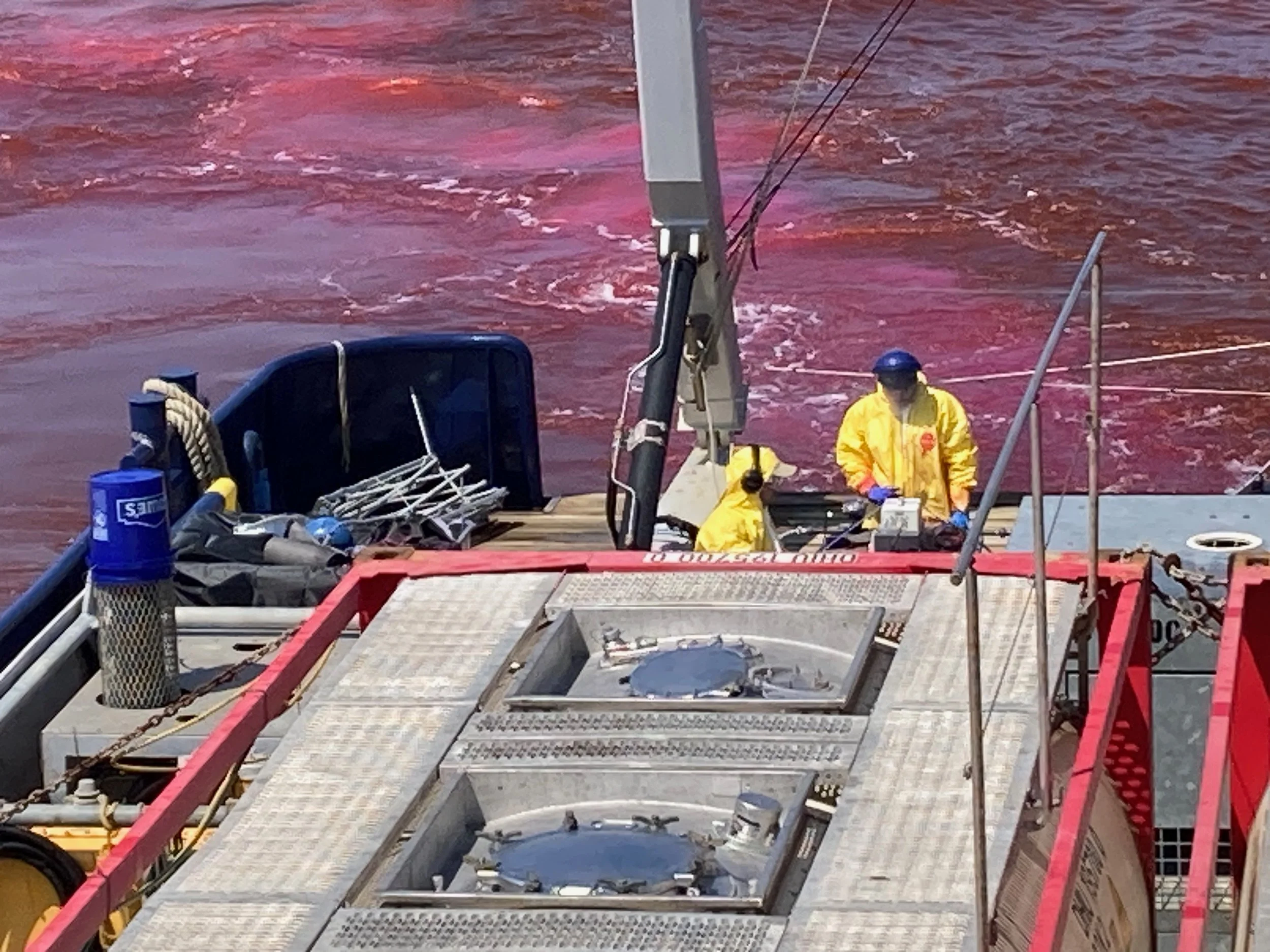
A fisherman bears witness to WHOI’s alkalinity experiment in the Gulf of Maine
Sarah Schumann was a fishing industry observer on the August 2025 LOC-NESS ocean alkalinity enhancement field trial in the Gulf of Maine, in which WHOI engineers released 16,500 gallons of sodium hydroxide solution dyed with rhodamine tracer into surface waters to assess potential for carbon removal. Read her field notes here.
Maine Coast Dock Talk: Understanding WHOI's LOC-NESS Project (link to podcast)
This is a link to the Maine Coast Dock Talk podcast. In this episode of the Maine Coast Doc Talk podcast, produced by the Maine Coast Fishermen’s Association, host and executive director Ben Martens chats with Dr. Adam Subhas of the Woods Hole Oceanographic Institution to explore the research initiative known as the LOC-NESS project. LOC-NESS stands for Locking Ocean Carbon in the Northeast Shelf and Slope and is testing the safety and effectiveness of ocean alkalinity enhancement to combat climate change.